Medical evaluation is required. Potential benefits, limitations, and risks vary by condition and individual. Links lead to the relevant condition or area-of-care page.
The science, made clear
The science behind regenerative care.
Regenerative medicine explores how cells communicate with the body. Get to know the two distinct approaches we discuss at CRC: mesenchymal stem cells and exosomes.
Explore the biology ↓
Conceptual illustration · not a microscope image
01 / Mesenchymal stem cells
Why cells?
Mesenchymal stem cells (MSCs) are living cells studied for the signals they release and the ways they interact with surrounding tissue and immune cells.
Their appeal in regenerative medicine goes beyond becoming another cell type: much of the research focuses on this biological communication.
Signals between cells
MSCs release proteins and extracellular vesicles that can influence nearby cells. Researchers call this paracrine signaling.
A conversation with the immune system
Researchers study how MSCs interact with immune cells and influence inflammatory signaling. This is one reason the patient's diagnosis matters when considering their use.
The environment matters
Cell behavior depends on the surrounding biological environment. Understanding these interactions helps researchers explore potential applications in tissue repair.
02 / Cell-derived signaling vesicles
Why exosomes?
Exosomes are tiny membrane-bound vesicles released by cells. They carry biological cargo, including proteins and RNA, and are part of how cells exchange information.
Unlike MSCs, exosomes are not living cells and do not multiply. They are being studied as a cell-free approach to delivering biological signals.
Cell
Biological signals
Two approaches. One individual plan.
Cells and exosomes have related, potentially complementary biological roles. CRC offers each separately and may propose a combined plan when appropriate. Your physician explains the reason for the choice, the expected benefits and risks, and how it fits your diagnosis.
Behind your treatment
Know the laboratory. Know the source.
Our partnership with the Institute of Cellular Therapy (ITC) connects CRC's medical care with a specialized cell bank and laboratory.
From donor screening to product documentation, understanding the preparation behind your proposed treatment is part of making a confident decision.
ISO Class 6Class 1000 laboratory environment reported by ITC.
COFEPRISITC health license 14-TR-14-039-0009.
TraceabilitySource and sample information documented in the product record.
01 / DONORS
Screening first
ITC describes infectious-disease, genetic and donor-health evaluations.
02 / PREPARATION
Controlled processes
The laboratory reports controlled culture conditions and genomic-stability checks.
03 / TESTING
Quality checks
Its quality-control program includes microbiology, immunophenotyping, mycoplasma and endotoxin testing.
04 / DOCUMENTATION
A record to review
Ask CRC to explain the source and test documentation for the product proposed for you.
Your consultation connects these laboratory details with the product and care plan proposed for you.
Documentation you can see
A closer look at quality and origin.
Explore sample authenticity, cellular quality and exosome documents supplied by CRC. Open each image to read the details.
The records show the type of information available: source, sample identification and laboratory findings. Results and quantities belong to the specific sample shown.
Your source questions, answered.
Where do the cells come from?
The supplied examples identify umbilical cord cells and placental tissue, both perinatal sources. The source can differ by product; your medical team can explain the exact source recorded for your proposed treatment.
What is the difference between a certificate and a treatment result?
A laboratory certificate describes the tested sample. It helps you understand identity and quality checks; it does not predict an individual patient's response.
What should I know about risks?
Risks depend on the product and how it is administered. Your physician will discuss issues such as infection, inflammatory or immune reactions, and procedure-related pain or swelling, along with expected benefits, alternatives and follow-up for your case.
Can I choose cells or exosomes separately?
Yes, CRC offers separate and combined options. Ask which approach, if any, fits your diagnosis and why it is being recommended.
Have questions about the cells proposed for you? Let's talk through the next step.
Your history, diagnostic studies, goals, and available options guide the conversation. A consultation does not mean that treatment will be recommended.
Learn about the clinic’s cell handling, preparation, and documentation processes. Bring your questions about the proposed protocol to your medical consultation.
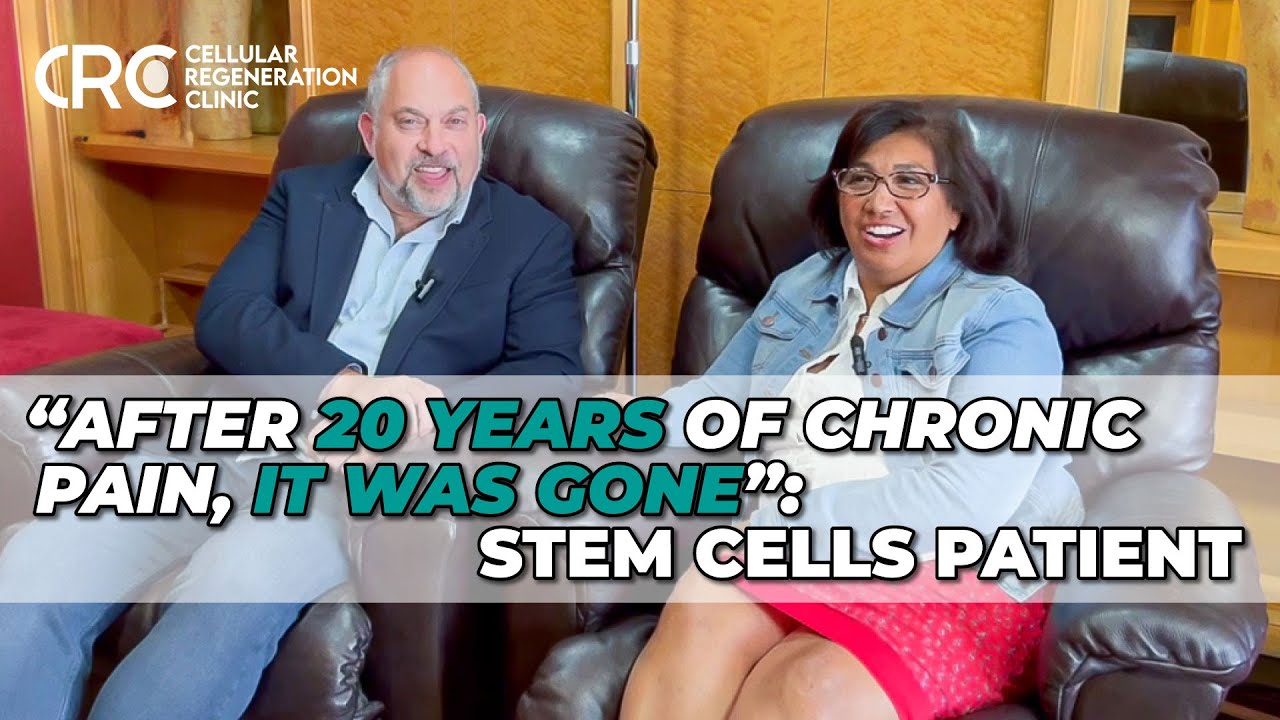
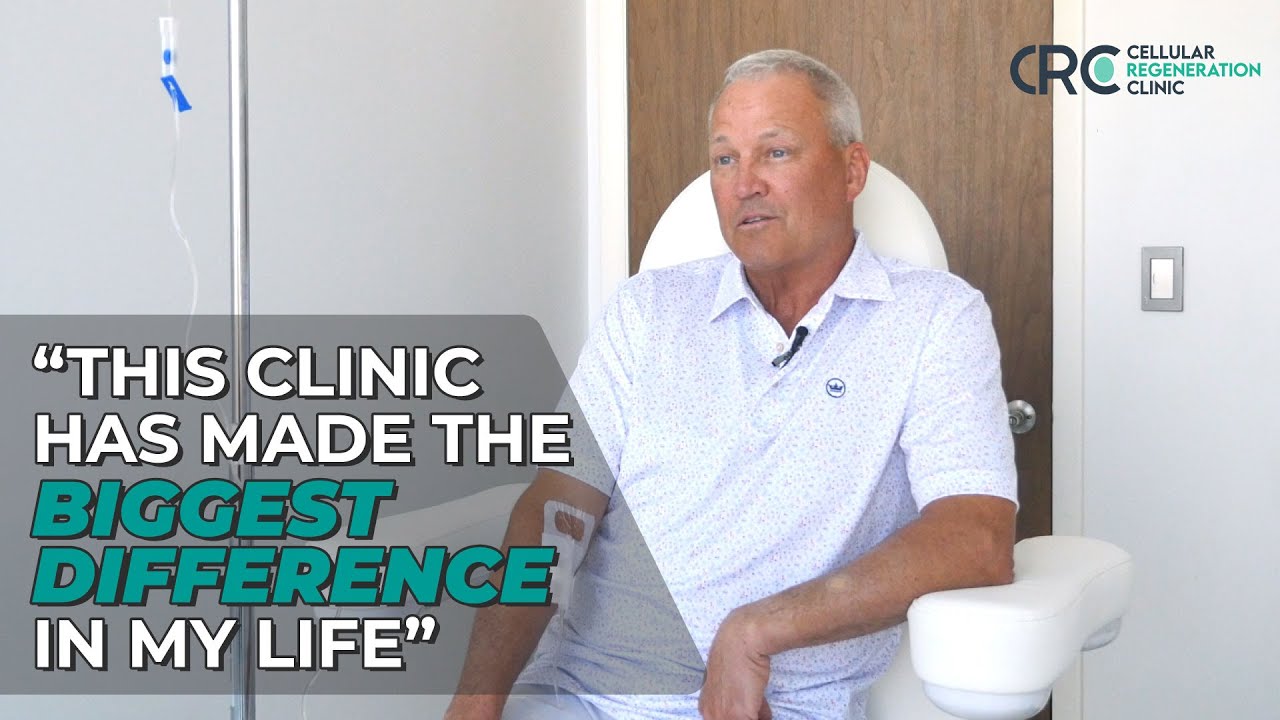
Experiences shared by patients about their care and the CRC team.
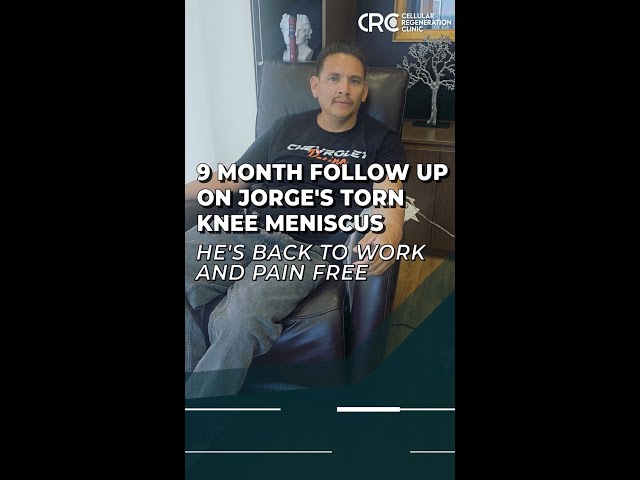
                  Fakaosi Pifeleti     Trustindex verifies that the original source of the review is Google. From the start to end process of being treated at CRC was tremendous customer service and as professional as you can ask for. If you are in search of stem cells regeneration look no further. Gideon is the MVP and if asked he will steer you to their favorite taco spot to eat!              Iconic TV     Trustindex verifies that the original source of the review is Google. Had a great experience here. Haven't felt any pain in my knee since the procedure months ago. Easy access and return across thd boarder. Highly recommended.              Domenico Speciale     Trustindex verifies that the original source of the review is Google. I’ve had a degenerating knee for many decades after a big ski accident and a number of operations. Skiing was becoming increasingly painful with a recurrent Baker’s Cyst. My last round of steroid jabs failed to make any difference so I went for the stem cell treatment in November last year. Just had a great ski season with a real, noticeable improvement in the inflammation and pain levels. Highly recommend the treatment and the company.              Gary Paluso     Trustindex verifies that the original source of the review is Google. I had excellent care with Dr Portillo. I am waiting on the stem cells effectiveness since it will take a couple months to work for my problem. Good place to go.              Saad Rahman     Trustindex verifies that the original source of the review is Google. This is place is TOP NOTCH! I came in on 12/1/23 after I was in the ER over the Thanksgiving weekend b/c of an issue with a bulging L5/S1. I had to be wheel-chaired in b/c I couldn't walk or even stand up straight and had lie in bed all day before I got my stem cell therapy.

Gideon and the doctor talked to me about all the details and I got 25 million stem cells in my back and 25 million in a knee after a meniscus tear from August 2023 and some PRP. I felt IMMEDIATE pain relief and could return to normal movement.

Now one month later I feel no pain and have returned to working out like I did previously. In the ER the doctor told me that it would take 12 weeks before I would feel this level of relief, but with CRC it happened 3x quicker.

The cost was 25% of what I was quoted from other stem cell clinics and the building/facility was top notch. I will be recommending this place to anybody and everybody and plan to return again in early 2024 to have stem cells treat other injuries in my body.              S. john carson     Trustindex verifies that the original source of the review is Google. was skeptical, as my injury was very severe and old. i shattered my ankle 30 years ago and had severe rheumatoid arthritis. my ankle is absolutely pain free. i’m not sure how it works, but i have benefited tremendously from this treatment.              Chauncie Card     Trustindex verifies that the original source of the review is Google. The family is top notch & amazing. The service is wonderful & I would highly recommend to anyone!!              Lilia Horan     Trustindex verifies that the original source of the review is Google. Very friendly...they explained everything..not  crowded..I would recommended.              Glenn cadrez     Trustindex verifies that the original source of the review is Google. Getting treatment from CRC has been a game changer for me. I will forever be a patient. thanks Gideon and staff for making my visit quick, easy and so beneficial.
Glenn Cadrez
11 year NFL linebacker.              Stephen Ghosal     Trustindex verifies that the original source of the review is Google. I had a consultation with Dr. Robinson at CRC last week. My concern is that I have limited mobility in my shoulder from an injury from 2016. He suggested stem cell therapy and acupotomy sessions. I booked an appointment to move forward with the suggested treatment and I’m looking forward to seeing the results!
Get to know your care team
Stem Cell Specialists
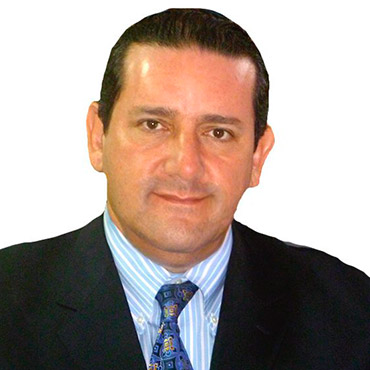
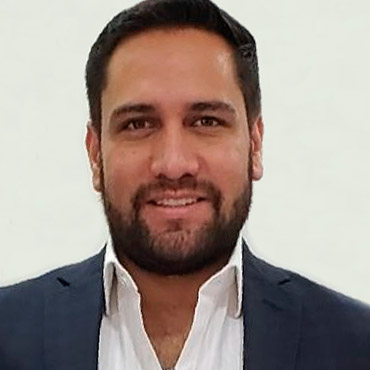
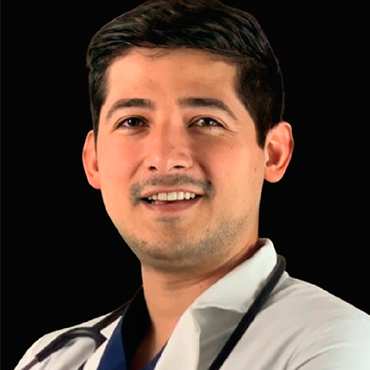
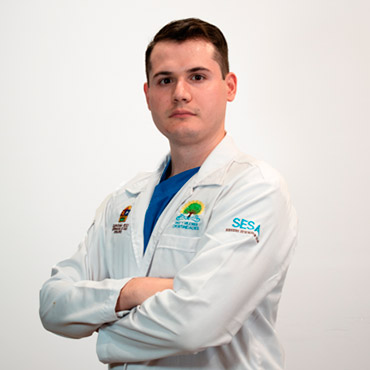
Meet the five physicians featured by CRC. Explore the carousel for a brief introduction to each doctor.
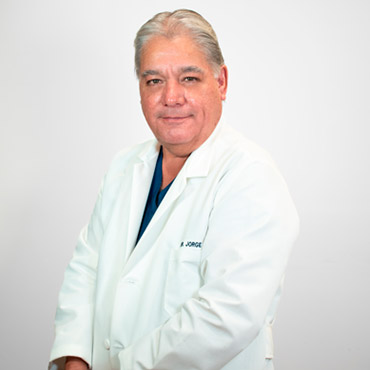
Dr. Jorge Tagle, M.D.
Regenerative and aesthetic medicine
Dr. Tagle combines regenerative medicine with aesthetic and cosmetic practice in Tijuana. His background includes work with the Cell Therapy Institute (ITC).
Dr. Juan Manuel Dipp, M.D.
Orthopedic and spine care
Dr. Dipp is part of the physicians featured by CRC. His orthopedic background includes departmental leadership in traumatology and orthopedic surgery at Del Prado Hospital.
Dr. José Manuel Valdés, M.D.
Aesthetic medicine and longevity
Dr. Valdés focuses on aesthetic medicine, longevity, and regenerative aesthetics. He holds a master’s degree in aesthetic surgery and uses minimally invasive approaches.
Dr. Miguel Magaña, M.D.
Aesthetic medicine and injectables
Dr. Magaña trained at the Autonomous University of Guadalajara. His work focuses on aesthetic medicine, injectables, and fillers, supported by continuing professional training.
Dr. Mario Adolfo Cota Hermosillo, M.D.
Regenerative medicine
Dr. Cota has worked in regenerative medicine since 2021, including clinical stem cell applications. His continuing studies focus on regenerative medicine.
Know what comes next, from your first conversation to planning your visit and follow-up.
01 / 03Start with a conversation02 / 03Understand your options03 / 03Plan the next steps
Tell our team what you would like to discuss and how to reach you. We can explain the evaluation process and how to provide relevant records securely.
Discuss your medical history, questions, potential risks, and alternatives with a physician. Ask what evidence and follow-up apply to your individual case.
If an appropriate plan is recommended, discuss scheduling, transportation options, accommodation information, and follow-up before booking travel.
Bring your individual questions to a medical consultation.
Am I a candidate for treatment?
Your diagnosis, medical history, previous treatments, and expectations need to be evaluated by the medical team. A consultation does not mean treatment will be recommended.
What should I ask about benefits and risks?
Ask about evidence for your condition, what remains uncertain, potential risks, alternatives, and expected follow-up.
How much does a treatment plan cost?
Contact CRC to discuss an evaluation and what a proposed plan would include. Costs depend on the individual recommendation.
Can you help me plan travel from the U.S.?
The coordination team can discuss scheduling, transportation options, and accommodation information before you book travel.
What information should I send before a consultation?
Share your main concerns, relevant medical history, current medications, and any recent diagnostic studies requested by the team. Use the contact form to ask how to provide records securely.
How long should I plan to stay in Tijuana?
The visit schedule depends on your evaluation and any recommended plan. Ask our coordination team about the expected schedule before arranging flights, accommodation, or time off.
Will I need follow-up after my visit?
Ask the medical team what follow-up is recommended for your case, how appointments are arranged, and who to contact with questions after returning home.
Can I speak with the team before booking travel?
Yes. Start by requesting a consultation so you can discuss your questions, the evaluation process, and visit planning before making travel arrangements.
Interested in regenerative medicine or stem cell therapy? Tell us what condition you would like to address, and one of our specialists will help you explore your options.

 01 / 06 · AREAS OF CARE