
Nebulized Stem Cell Therapy: A Non-Surgical Breakthrough for COPD and Lung Repair
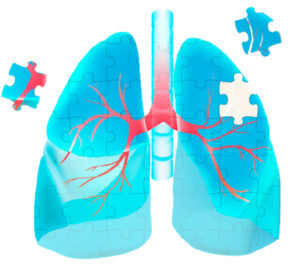
Breathing should be an involuntary, effortless action. Yet, for millions of individuals suffering from Chronic Obstructive Pulmonary Disease (COPD), pulmonary fibrosis, emphysema, and Long COVID, every single breath is a conscious and exhausting struggle.
Traditional pulmonology relies heavily on inhaled corticosteroids and bronchodilators. While these medications are essential for managing acute symptoms and opening airways temporarily, they share a significant clinical limitation: they do not repair the underlying cellular damage in the lungs. They manage the decline, but they do not reverse it.
However, the landscape of respiratory medicine is experiencing a paradigm shift. At the Cellular Regeneration Clinic (CRC), we utilize an innovative, non-invasive, and highly targeted regenerative approach: Nebulized Stem Cell and Exosome Therapy.
By transforming powerful regenerative biologics into an aerosolized vapor, we can deliver millions of stem cells and billions of healing exosomes directly to the deepest, most damaged regions of your lungs. In this comprehensive medical guide, we will explore the precise biological mechanisms of nebulization and how it is revolutionizing the treatment of severe respiratory conditions.
The Anatomy of Lung Damage
To understand why nebulized cellular therapy is so effective, we must first understand the microscopic architecture of the lungs and how chronic disease destroys it.
When you inhale, oxygen travels down your bronchial tubes and enters tiny, balloon-like air sacs called alveoli. These alveoli are surrounded by a dense network of microscopic blood vessels (capillaries). It is here, across a membrane that is only one cell thick, that the critical exchange of oxygen and carbon dioxide takes place.
In conditions like COPD, emphysema, or post-viral lung injury (Long COVID), a relentless cycle of chronic inflammation occurs. This inflammation causes:
- Loss of Elasticity: The alveoli lose their natural stretch and become rigid, trapping stale air inside the lungs and making it difficult to exhale fully.
- Epithelial Destruction: The delicate epithelial cells lining the air sacs are destroyed by an overactive immune response or toxic exposure (like smoking).
- Pulmonary Fibrosis (Scarring): The body attempts to heal the damage by laying down thick, stiff scar tissue, which permanently blocks the transfer of oxygen into the bloodstream.
Because the lung tissue is physically scarred and inflamed, traditional oral or systemic medications struggle to penetrate the fibrotic barriers effectively.
What is Nebulized Stem Cell Therapy?
Nebulization is a highly advanced delivery mechanism that bypasses the digestive system and the bloodstream entirely, delivering therapeutic agents directly to the site of the pulmonary injury.
The CRC Nebulization Protocol
During a fast, painless 20-to-30-minute outpatient procedure, a clinical-grade nebulizer machine converts a liquid biologic solution into a fine, inhalable mist. At CRC, this powerful solution contains:
- 5 to 10 Million Mesenchymal Stem Cells (MSCs)
- 1 Billion to 3 Billion Exosomes
As the patient breathes normally through a mask, these aerosolized particles travel directly down the respiratory tract, bypassing the throat and bronchial branches, and landing directly on the damaged alveoli.
The Biological Power of Exosomes in the Lungs
While stem cells act as the “master builders” of the body, Exosomes are the true stars of the nebulization process. But what exactly are they?
Exosomes are nano-sized extracellular vesicles secreted by Mesenchymal Stem Cells. They are not cells themselves; rather, they act as intelligent “delivery vehicles” or chemical messengers. They are packed with a highly concentrated payload of growth factors, cytokines, mRNA, and regenerative proteins.
Because exosomes are microscopic (measuring just 30 to 150 nanometers), they possess two massive clinical advantages when nebulized:
1. Direct Targeting and Extreme Penetration
Their incredibly small size allows them to easily penetrate deep into the distal bronchioles and the deepest recesses of the alveolar sacs. They bypass the thick mucus and scarred tissue that typically block traditional medications.
2. Enhanced Bioavailability
When you take a pill, the medication must pass through your stomach and be metabolized by your liver (known as first-pass metabolism) before it ever reaches your lungs. This drastically reduces the potency of the drug. By utilizing an aerosolized vapor, the exosomes are absorbed instantly through the lung epithelium. This guarantees maximum bioavailability, ensuring that 100% of the regenerative payload is delivered exactly where it is needed.
The 3-Step Healing Cascade in Pulmonary Tissue
Once the millions of stem cells and billions of exosomes land on the damaged lung tissue, they initiate a highly sophisticated, three-step biological healing cascade.
Phase 1: Massive Reduction of Inflammation
Chronic lung diseases are fueled by an overactive, localized immune response that constantly attacks the lung tissue. The exosomes derived from MSCs carry specific bioactive molecules designed to alter this environment. They immediately deploy anti-inflammatory cytokines that neutralize the toxic, pro-inflammatory proteins (like TNF-alpha) causing the damage. This immunomodulatory effect rapidly extinguishes the “cellular fire” inside the lungs, providing relief from chronic coughing and wheezing.
Phase 2: Epithelial Cell Regeneration
Once the inflammation is cleared, the exosomes fuse with your older, damaged lung cells and release their mRNA payload. This genetic material acts like a software update, commanding the damaged epithelial cells to begin replicating and repairing themselves. Simultaneously, the live Mesenchymal Stem Cells begin to physically differentiate into new lung tissue, replacing the dead cells and clearing away early-stage fibrotic scarring.
Phase 3: Angiogenesis (Restoring Blood Flow)
For the alveoli to absorb oxygen properly, they need a rich supply of blood. The growth factors delivered during nebulization stimulate angiogenesis—the creation of new, healthy capillary blood vessels around the air sacs. This vastly improves the efficiency of oxygen exchange, leading to a profound reduction in shortness of breath (dyspnea).
Targeting Long COVID and Vaccine-Related Symptoms
The global medical community has recognized that the SARS-CoV-2 virus leaves behind a trail of severe endothelial damage and persistent lung inflammation, commonly known as Long COVID. Our nebulized exosome protocols are specifically tailored to combat this phenomenon. By neutralizing the lingering cytokine storm in the lungs, patients frequently experience a rapid clearing of “brain fog,” a return of deep respiratory capacity, and the eradication of chronic post-viral fatigue.
Why Choose Inhalation Over IV Therapy?
Many patients ask if they should choose an Intravenous (IV) Stem Cell Drip or Nebulization. The answer depends on your primary medical goal.
An IV drip is excellent for systemic (whole-body) inflammation, autoimmune diseases, and general anti-aging. However, when the stem cells are introduced into the bloodstream, the body’s natural intelligence distributes them systemically wherever it senses inflammation—to the kidneys, the heart, the joints, and the liver.
If your primary, life-threatening issue is localized in the lungs, we do not want the cells traveling to your knees or your liver. Nebulization forces 100% of the regenerative biologic payload to remain trapped inside the respiratory system, providing an incredibly potent, hyper-focused dose directly to the pulmonary tissue.
(Note: For severe cases of COPD or Long COVID, our medical doctors often recommend a combined approach—utilizing both an IV drip to calm systemic inflammation and a nebulizer session to target the lungs directly).
What to Expect: Timeline and Results
Because this is a biological repair process rather than a chemical stimulant, the results are not instantaneous. The stem cells and exosomes require time to physically rebuild the cellular architecture of your lungs.
While some patients report feeling a noticeable “lightness” in their chest and improved oxygen saturation within the first two weeks, the full regenerative benefits typically manifest between 2 to 4 months following the procedure. During this time, patients frequently report a decreased reliance on rescue inhalers, improved exercise tolerance, and a significant upgrade in their overall quality of life.
The CRC Advantage: Uncompromising Cellular Quality
The success of nebulized therapy depends entirely on the quality, vitality, and concentration of the exosomes and stem cells being inhaled.
Unlike clinics in the United States that are restricted by strict FDA regulations (often forcing them to use weak, aging cells extracted from a patient’s own fat), the Cellular Regeneration Clinic operates under the progressive medical framework of Mexico’s federal health authority (COFEPRIS).
This allows us to utilize the gold standard of regenerative medicine: Lab-expanded, “Day 0” Umbilical Cord Stem Cells and Exosomes. Furthermore, because our medical leadership owns the Instituto de Terapia Celular (ITC)—the most heavily regulated stem cell bank in Mexico—we maintain absolute control over the cold chain.
Every single patient receives a rigorous, 5-page Certificate of Authenticity proving an exact cell count, absolute purity via flow cytometry, and a mathematically guaranteed viability rate of 99.99%.
Conclusion: Breathe Easier, Live Fuller
A diagnosis of a chronic lung condition does not have to be a one-way street of steady decline. By moving beyond traditional symptom management and embracing the science of cellular regeneration, you can actively repair the microscopic damage within your lungs.
Nebulized Stem Cell and Exosome Therapy offers a safe, painless, and scientifically backed method to silence pulmonary inflammation, clear fibrotic tissue, and restore your respiratory capacity.
*Disclaimer: Outcomes will vary between individuals. No claims are being made with regenerative therapies. More than one round of treatment may be required. The FDA considers stem cell therapy experimental. Please consult with our medical team to see if you are a candidate.
